Next Billion - Serena Tan
ETHPorto·Mon, Oct 9, 2023, 12:00 AM
Speaker
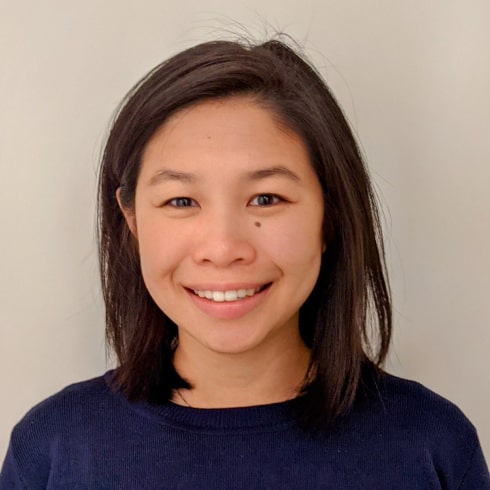
Serena Tan Next Billion
Transcript
[Laughter] thank you thank you and thank you to my colleague Sarah and the entire Heath Porter team for inviting me today hi I'm Serena I am from teamx billion cool I understand that some of you here today are curious about what ethereum looks like and how it is being used to solve human coordination and your local challenges today I'd like to introduce the work of three next billion fellows I think they can give you a good sense of what the kinds of projects are out there does anyone know these people well hopefully you know that they're the scouts the world organization of the scouts movement is a good example of a decentralized organization with 57 million Youth and adult volunteers when we think about the ways to tap into users that fall into the youth demographic there might not be a group more fitting than the scouts every chapter has its own needs and context but it's held together by a cohesive set of values and culture it's a Grassroots movement as you may know which relies on bottom-up coordination and although there's a global organization every chapter is somewhat autonomous is the director of digital engagement from the world organization of the Scout movement he lives in Malaysia mihara was trying to answer the question how can a Grassroots decentralized organization use tools which reflect reflect their values I wonder if you just thought of Unchained badges we did too and Scout badges are kind of the original nfts right they represent achievement skills and they're sort of like a reputation system as well digitizing Scout badges is a first good step but there's a lot more that could happen so mihailo is exploring some really important themes around yeah what a safe onboarding could look like for youth new mechanisms of collaboration between the scalp chapters and the global movement and actually this is a learning opportunity for us the ethereum ecosystem we learn what works and what doesn't from a much older decentralized Global movement for all of us here I think um who grew up using the internet we know what transformation was like some of us got to learn about computers in school um maybe we just pick things up along the way but let's imagine the young people growing up today what will their experience be like in learning about web3 will they learn about security key safety or other important stuff um web 3 skills may be like tying knots or learning to start a fire and maybe the scouts will be one of the ways that the next billion learns about the basics of cryptography let's move on from skills to money savings is an old concept and I'm going to need a bit of your signal of hands here can I get a quick show of hands who here uses a piggy bank to save money yeah it's not as uncommon and who here uses a an actual bank okay and hands up if you invest in stocks all right and I guess you you figured I would ask but who here saves in crypto okay that's a lot of you well for a lot of people um savings doesn't look like this at all maybe they don't have a safe place to keep their money or maybe they don't have access to a bank account or know how to access that there are ways to save and a really common one is saving circles there are lots of names for this as you can see they're used everywhere and we've been fortunate enough to learn about how savings communities work from Gabriella she has been studying how women in Mexico use saving circles organize through WhatsApp and Facebook groups but let me just quickly walk you through how a saving Circle works just a simple example if you were say going to save for a car repairs or school supplies you and four other friends save ten dollars per month and this would be over the next five months every month the total of fifty dollars would be allocated to one of you and then this would repeat until each one of you received the payout the 50 payout once you probably noticed that participating in one of these groups wouldn't um sorry it doesn't give you any more money if you saved just by yourself but it creates a lot of social pressure to not let down your friends saving circles are known as part of is one part of the informal economy and income might not be formally registered for for that sector it might include small businesses with local customers and you might be surprised to know that participation in Saving circles actually require fees that you have to pay to participate but Gabriella has found that women and participants aren't deterred by this in fact they join to establish credit worthiness and um if in the future they were to apply for a loan or something like that this reputation would be would be worth that so I've talked a lot about Gabriella Gabriella is co-founder of blanks and lives in Mexico she has taken this tool to web3 so blogs blank saving circles are implemented on Smart contract implemented as smart contracts Gabriella also conducts user research to understand how this version of saving circles can be a tool for people who don't have access to financial services I mentioned earlier these saving circles exist everywhere so while Gabriella's efforts are focused in Mexico and Venezuela these tools could be incredibly scalable and useful for the informal sector let's move on to the third and final example I have it's related to a recent experience I had in registering my address and I went to apply filled out a form went to an office had to go to a different office emailed them think they they replied to my email via voicemail on my phone then they replied to me by by a post and in the end it took many months wasn't straightforward but whether you're living in Portugal or somewhere else I think we all share in the experience of dealing with a bureaucracy the next fellow I'd like to introduce to you is Chewie he is really trying to save Latin America from situations exactly like this not exactly but you get what I mean Teresa Pera cares about the future of cities and governance models he uses web 3 identity to build frictionless Public Service public sector experiences in Latin America and also lives in Mexico everyone relies on the government for better transport proper education health services and Chewie's goal is to solve the inefficiencies with this red tape and lack of transparency is getting away in the way of these services it all starts with digitizing government services and giving citizens an ID a digital ID and one that is collaborative verifiable and operates with a high degree of trust Chewie and his team have rolled out over 50 integration implementations including an official citizen digital identity through an online portal and citizens obtain a wallet support and use these documents in their wallet and they can share and renew the documents this way as well they include commercial permits and taxpayer statements amongst others they are currently compatible with some local governments in Mexico Argentina and Colombia yeah bureaucracies might not go away in the near future but we can take a step forward to improve this maybe offices coordinating with one another through a common system maybe even one that is on a public blockchain maybe someday Chewie Gabriella and mihalo are working to make ethereum feel more relevant to Everyday People and I hope these stories are inspiring to you interesting to you they are three examples of 10 next billion fellows so far and everyone's got a different story we launched the next billion Fellowship two years ago to give a platform to people working towards the vision of ethereum as a public good as team next billion we believe that ethereum can improve the lives of billions and that's a pretty big claim but it becomes easier when we hear stories about people like Gabriella Hilo and Chewie and we know there are many many more stories out there that can help us imagine a future we have 10 fellows as I mentioned bridging gaps in representation across culture nationalities and economic classes and they do this in their own unique contexts the fellowship provides mentorship access to resources from the EF financial support and opportunities for network and networking and media exposure but ultimately it's the fellows who are really showing us the potential of ethereum as a tool for problems they're experiencing in their own everyday lives with great excitement and on behalf of the team I'd like to announce that today applications for cohort 3 are open so whatever the project experimentation Pilots research we want fellows to be on something like a personal Quest that Quest must be rooted in the interest of public good and has to be something that the fellow really understands the context for the next billion Fellowship isn't the beginning or the end of a journey but we hope it's a light support along the way that enables a fellow to get closer to ambitious goals if you have a project or a research or if you know someone that you would like to recommend applications are open until the end of April my colleagues and I will be outside after this and if you're joining us online through the streaming please feel free to reach out to us before I close and I really hope I did Gabriella and mihilo Chewie Justice by sharing some of their stories I will leave you with a small Snapshot from the fellows of cohort one thank you everyone and have a wonderful week in Porto abrigada [Applause] I remember that one of the first books I read about blockchain uh there was a quote that says it doesn't matter what you want to build with blockchain try to fix something that is broken or corrupt we try to fix or at least improve even at a very small level how the public sector works you can end up improving the lives of many uh you have said that with the concept of the next billion uh so almost 600 600 million people uh in in Latin America kind of who fill that description of the next failure it is really key for ethereum foundation's mission to reach the next billion educational them to you know this networking part of the digital economy and have access to the internet so it's really something his first foundational challenge that we Face were still over 600 million students and young people don't have access to the internet working in the field solving problems where they are and we can kind of like solving problems in a decentralized manner so it kind of made sense on a theoretical and a conceptual basis that we could use blockchain in organ in our organization the good use problem but I'm working on currently make Africa has been the claims process it has been traditional insurance has has had a lot of problems when it comes to claims layout they would be delayed number one and they would also not be guaranteed because information trickle down was limited so has been Defender that we've been solving using blockchain technology smart contracts they're able to quickly generate Health schedules now ensuring that we do know who needs to be paid how much when quite fast since 2014 more or less I been deep diving in into what we call blockchain Mid sculpting which means how blockchain can serve as a government technology working on how governments how the public sector can meaningfully adopt our blockchains I've got to meet the other fellows doing awesome and the wonderful things we connect at different levels discuss different things especially on how to move our projects once so at the end of the day the next video that will make the network bigger I think open source is the way to go blockchain is an open source solution ethereum is open source and I think the solution is that we look at in terms of the development sector should also be open and thank you for this beautiful conversation as well very thankful and happy to be part of the fellowship that's really really exciting them [Music] [Applause] [Laughter] thank you [Music]
Automatic transcript — names and jargon may be misspelled.